AFWEGINGEN BIJ HET KIEZEN VAN EEN VIJFASSIGE MACHINE
Afbeelding4-psBOUW WIJZE VAN MACHINE VORMT BASIS

De komende jaren zullen de eisen die aan de nauwkeurigheid en oppervlaktekwaliteit van componenten worden gesteld nog meer toenemen. Tegelijkertijd wordt daarbij een steeds hogere functionaliteit verwacht, wat zich vertaalt in een grotere complexiteit en de toepassing van geavanceerdere maar vaak moeilijk te bewerken materialen. Alle reden dus om bij een volgende investering in een vijfassig bewerkingscentrum aandacht te besteden aan de bouwwijze van de machine want die vormt letterlijk de basis van wat haalbaar is. Bovengenoemd toekomstbeeld werd geschetst tijdens het onlangs door Mikrocentrum georganiseerde seminar ‘Verspanen 2020’ in een lezing van Willem van Dam, werkzaam bij Dymato. Een verslag.

ONDERSCHEID
Afbeelding2

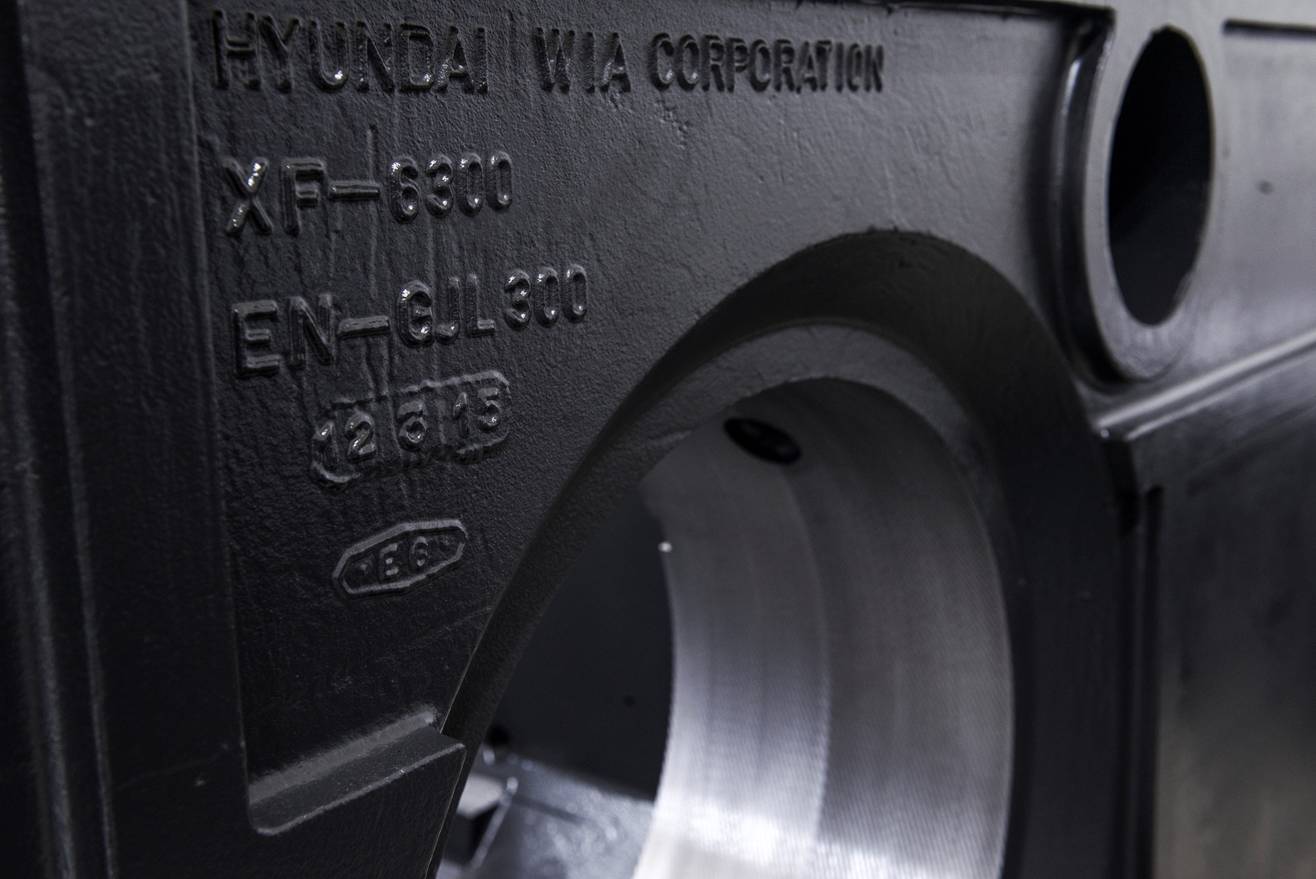
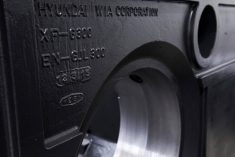
De monoblockconstructie, waarbij het frame uit één structuur is vervaardigd, resulteert in een hoge stijfheid en stabiliteit. Temeer daar de motoren van de A-as volledig worden omsloten door het frame.

Voor de meeste ondernemers die actief zijn op het gebied van verspanen, zal het geen verrassend scenario zijn. Naast genoemde eisen moet bovendien ook de productiviteit niet uit het oog worden verloren, want de internationale concurrentie zit niet stil. Dat maakt het meer dan ooit de moeite waard om bij de aanschaf van een nieuw bewerkingscentrum te kijken naar de constructie van de machine en de kwaliteiten die daarmee samenhangen. Of het nu gaat om nauwkeurigheid, productiviteit en betrouwbaarheid, de machine vormt in alle gevallen de primaire basis, en is in hoge mate bepalend voor wat haalbaar is. Met name de beheersing van temperatuur en trillingen (de grootste boosdoeners die het freesproces ondermijnen) vormen een cruciaal aspect. De optimale resultaten worden uiteraard bereikt wanneer een machine qua specificaties optimaal is afgestemd op een specifiek product en de eisen die daarbij aan de orde zijn. Want het volumeverspanen van een groot aluminium onderdeel vergt andere specificaties dan het frezen van een onderdeeltje in titaan waarbij nauwkeurigheid en een perfecte finish worden gevraagd. Een machine die aan alle wensen op het gebied van frezen kan voldoen is helaas een illusie, zo werd ook duidelijk uit de voordracht van Willem van Dam, area sales manager bij machine-importeur Dymato in Veenendaal. Verschillende markten vragen om verschillende oplossingen, aldus zijn stelling. Bij het benaderen van de markt wordt door Dymato daarom onderscheid gemaakt tussen universeel verspanen, hogesnelheidsfrezen en het verspanen van grote werkstukken.

UNIVERSEEL
Afbeelding1

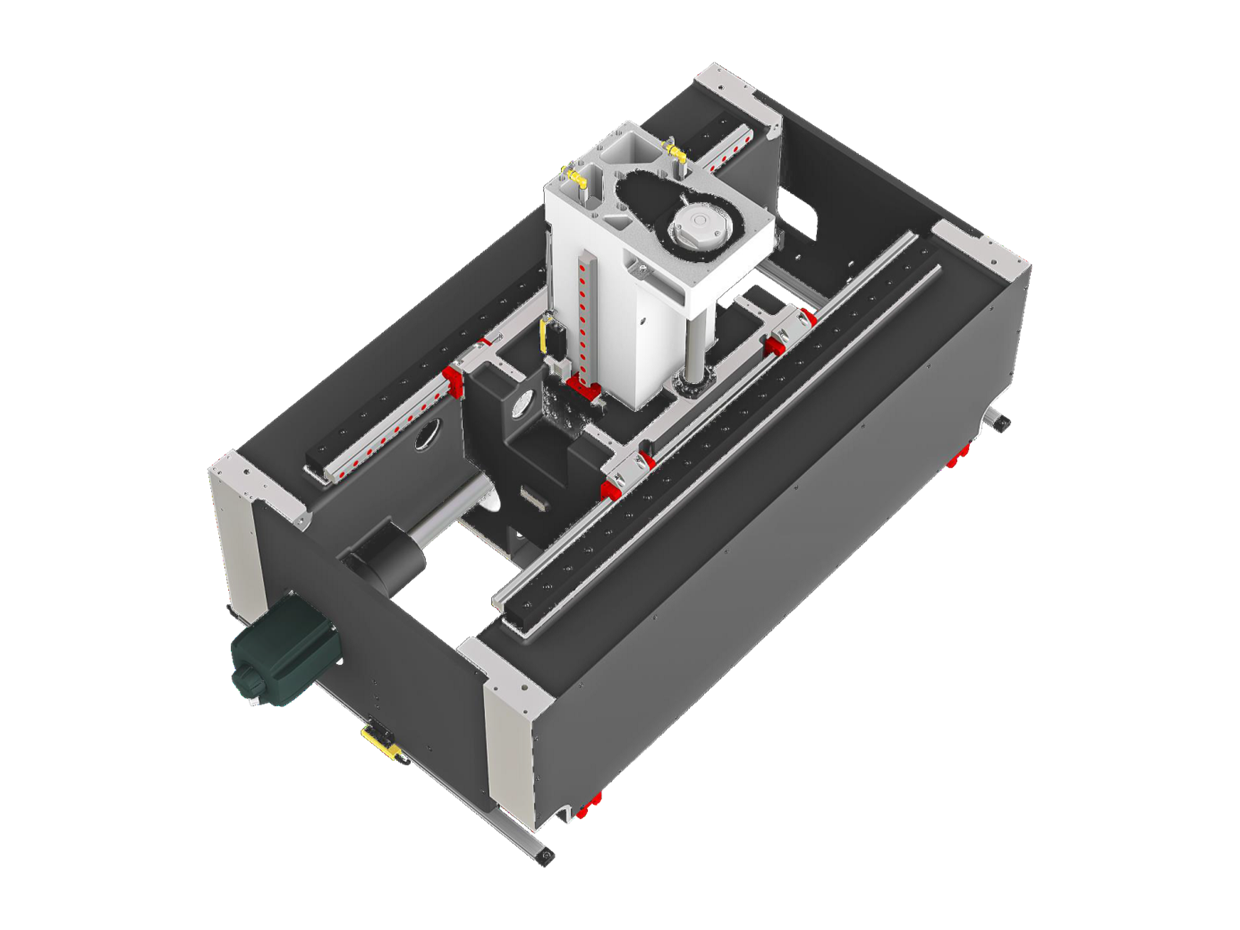
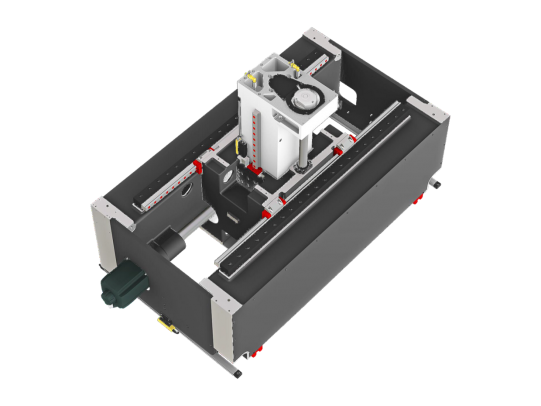
De portaaluitvoering biedt bouwtechnisch de beste mogelijkheden om tot een symmetrische constructie te komen, met een optimale beheersing van het krachtenspel en de temperatuureffecten. Ook het box-in-boxprincipe van X- en Y-as dragen daaraan bij.

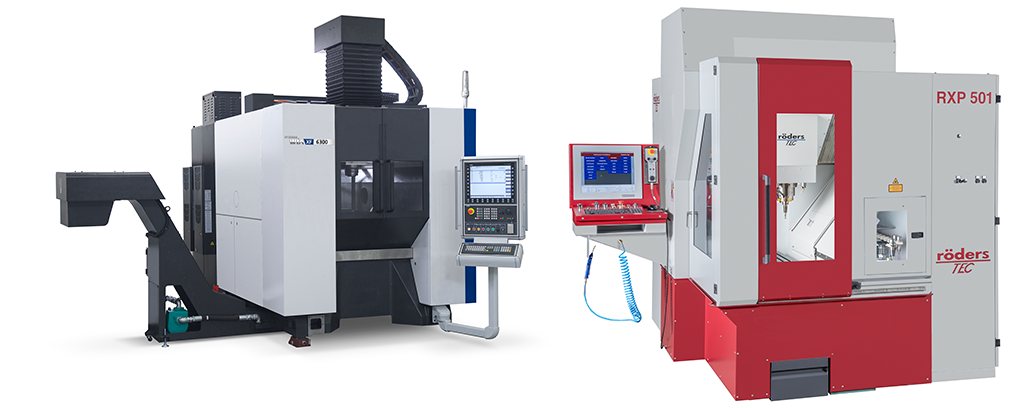
Zoals hiervoor werd gesteld, wordt de optimale combinatie van kwaliteit en rendement bereikt wanneer een bewerkingscentrum volledig afgestemd is op een bepaald type bewerking. In de praktijk is het echter zelden zo dat een toeleverancier een machine volledig bezet kan krijgen door een bepaalde opdracht of een pakket aan vergelijkbare bewerkingen. Vaak is er sprake van een grote diversiteit aan producten, materialen en bewerkingen en dan is men uit kostenoverwegingen toch al gauw aangewezen op een universele machine. Een allrounder die over de hele linie het beste gemiddelde resultaat oplevert. Maar ook dan is een kritische afweging van de mogelijkheden essentieel. Als het gaat om de breedte van het bewerkingsbereik, dan vormt een portaalconstructie volgens Van Dam de meest geschikte oplossing. In vijfassige uitvoering kunnen deze machines worden voorzien van draai/kanteltafels. Voorzien van direct-drivemotoren kunnen zowel de A-as als de C-as snel en met hoge precisie worden aangestuurd, omdat overbrengingen ontbreken. Een goed voorbeeld van universele bewerkingscentra in het programma van Dymato zijn de machines van Hyundai Wia. Bij het nieuwste vijfassige bewerkingscentrum, de XF3600, zijn bed en kolom vervaardigd uit één monoblockstructuur, zodat en maximale stijfheid en een zo hoog mogelijke nauwkeurigheid wordt bereikt. Dat wordt nog versterkt doordat de motoren van de A-as volledig worden omsloten door het monoblockframe. De -X en -Yas zijn uitgevoerd volgens het box-in-boxprincipe, zodat er ook op dit punt sprake is van een mechanisch en thermisch symmetrisch ontwerp met hoge stijfheid. Directe meetsystemen op lineaire en rotatieassen en ook hoekencoders zorgen ervoor dat alle resterende temperatuurinvloeden op het machineframe effectief worden geëlimineerd. Op die manier zijn volgens Van Dam ook op een universele machine positioneernauwkeurigheden binnen 5 micrometer en oppervlakteruwheden rond Ra = 0,5 micrometer haalbaar. De XF6300 kan worden geleverd met drie verschillende spindels (15.000, 24.000 of 40.000 min-1), zodat toch een zo klantspecifiek mogelijke oplossing kan worden geboden.

HSC-FREZEN
afbeelding-metallerie

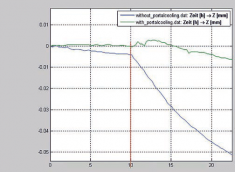
Het actief koelen van alle kritische machineonderdelen bewijst zijn waarde vooral bij langdurige cycli. Het zorgt ervoor dat er ook in deze situatie op elk moment sprake is van een constante kwaliteit en maatvoering.

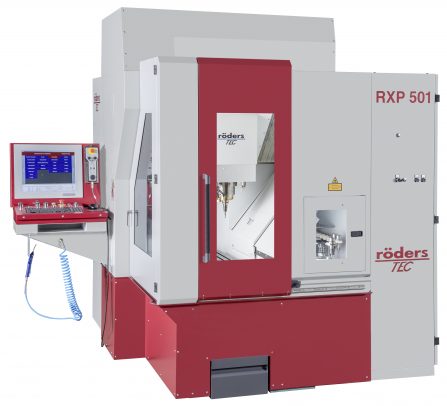
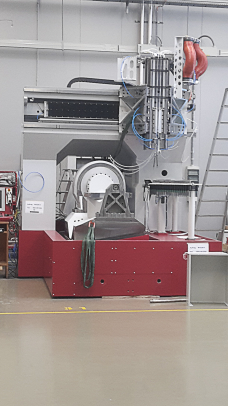
Als harde materialen verspaand moeten worden met fijne structuren en kleine radii (waaraan automatisch hoge nauwkeurigheidseisen zijn verbonden) dan ontkomt men als verspaner niet aan HSC-machines. Een bijzonder voorbeeld daarvan uit het programma van Dymato zijn de machines van Röders. Vanwege de th(ermo)symmetrische eigenschappen maakt Röders gebruik van een portaalconstructie, waarbij de spindel de dwars en hoogtebeweging (Y- en Z-as) voor zijn rekening neemt en het bed met geïntegreerde draai/kanteltafel de lengtebeweging (X-as). Omdat het portaal met de spindel volgens dit concept niet hoeft te bewegen, kan dit zwaar worden uitgevoerd, zodat de maximale machinestijfheid wordt bereikt.
Als gewichtscompensatie voor de Z-as werkt Röders met een wrijvingsloze vacuümbalg. Alle kritische elementen in de machines worden bovendien actief gekoeld, waarbij het dan vooral gaat om de spindel en de andrijvingen met hun magneten en motoren. Bij Röders worden zowel de kogellagers als de mantel van de spindel gekoeld, die laatste om warmte-uitstraling naar de kolom te voorkomen. In totaal tellen de machines van Röders tot acht separate koelcircuits. De spindellengte wordt nog extra bewaakt door een externe (en gekoelde) wervelstroomsensor, vervormingen als gevolg van mechanische krachten worden op die manier eveneens ondervangen. Met name bij hoge toerentallen is dit relevant. Om trillingen te voorkomen werkt Röders uitsluitend met lineaire aandrijvingen. Door het ontbreken van mechanische contacten bieden deze een veel hogere dynamiek dan de traditionele kogelomloopspillen en een betere demping. Het ontbreken van mechanische contacten betekent meteen dat er minder warmteontwikkeling en geen slijtage optreedt. Nog een stapje verder qua nauwkeurigheid gaan de hydrostatische geleidingen. Röders past deze toe bij zijn RHP-serie, waarop het frezen wordt gecombineerd met coördinatenslijpen. Die combinatie scheelt niet alleen een extra logistieke handeling maar bespaart ook slijptijd, want omdat niet omgespannen hoeft te worden, kan veel dichter tot de eindmaat worden gefreesd.

RACECUT

Het nieuwste RXP501DS bewerkingscentrum van Röders haalt een maximaal toerental van 60.000 min-1. Een hoger toerental betekent niet alleen dat er met fijnere gereedschappen kan worden gewerkt, maar ook met lagere snijkrachten. Daardoor worden een hogere nauwkeurigheid en een gladder oppervlak bereikt, terwijl het trillingsniveau beperkt blijft. Het mes snijdt wat dat betreft aan twee kanten. Bijzonderheid van de Röders machines is dat een hoge nauwkeurigheid wordt gecombineerd met een hoge dynamiek. Dat is te danken aan de Racecut besturingsfunctie, waarmee de mogelijkheden van de machines optimaal kunnen worden benut. Dat is alleen mogelijk omdat Röders als machinebouwer ook zijn eigen RMS 6 besturingssoftware ontwikkelt, want de softwareontwikkelaars moeten natuurlijk weten welke versnellingen de machineconstructie toelaat, zonder dat nauwkeurigheid en oppervlaktekwaliteit in het gedrang komen. Dankzij Racecut kan de druk op een hoger niveau worden ingesteld, waardoor de machines later en harder remmen en meer versnellen dan de gangbare CAM-programma’s voorstellen. Dat resulteert in bewerkingstijden die in doorsnee met meer dan 20% zijn gereduceerd.

GROTE WERKSTUKKEN
Afbeelding4 (2)

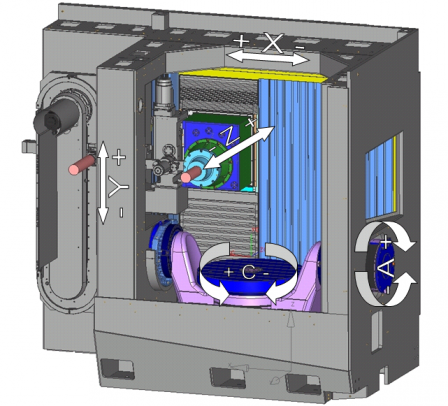
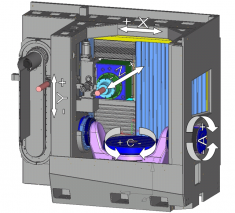
Bij het verspanen van grote volumes verdient een horizontale uitvoering de voorkeur in verband met de betere spanenval.

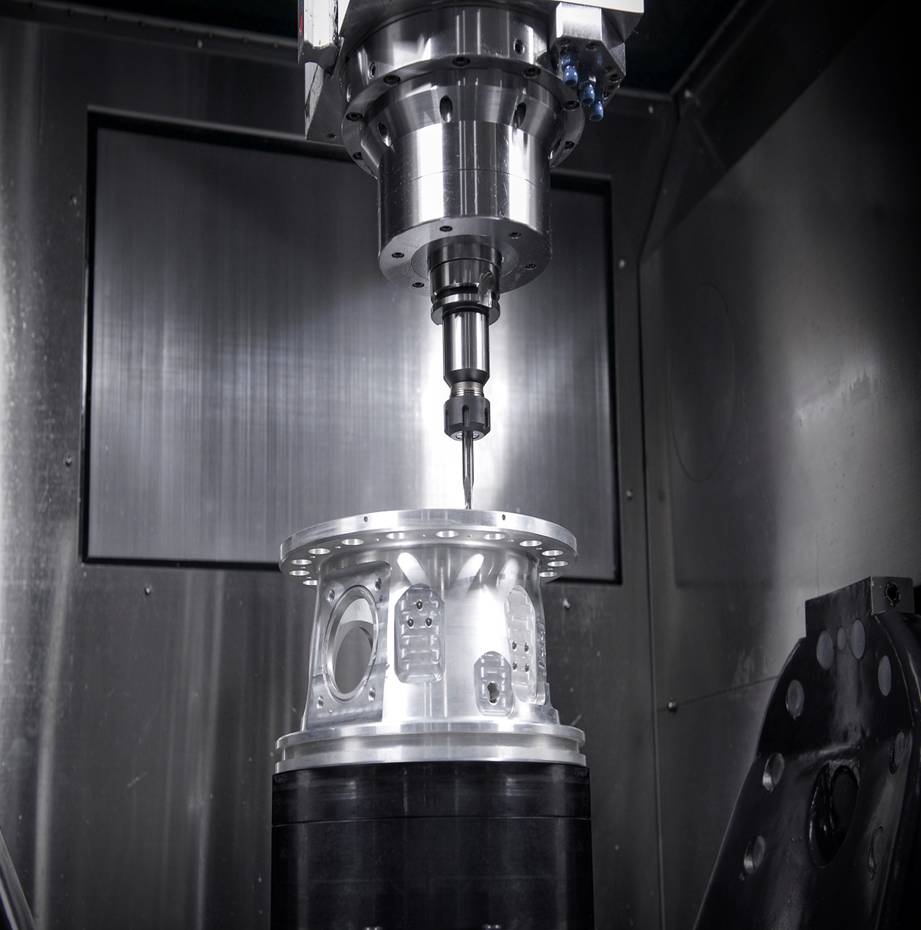
Een apart marktsegment vormt de volumeverspaning van grote werkstukken. Te denken valt bijvoorbeeld aan componenten voor de luchtvaartindustrie, waarbij een verspaning uit volmetaal vaak een voorwaarde is. Daarbij kan het wel voorkomen dat 90% van het materiaal moet
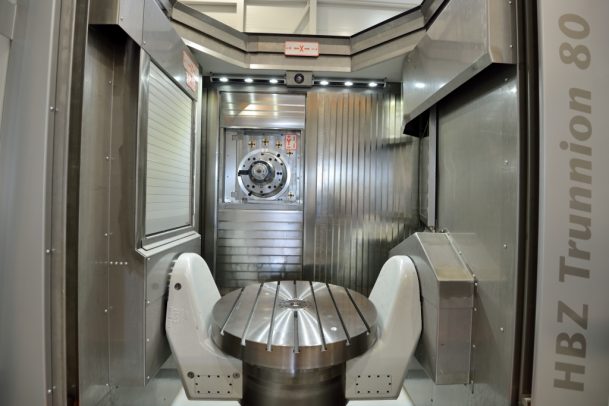
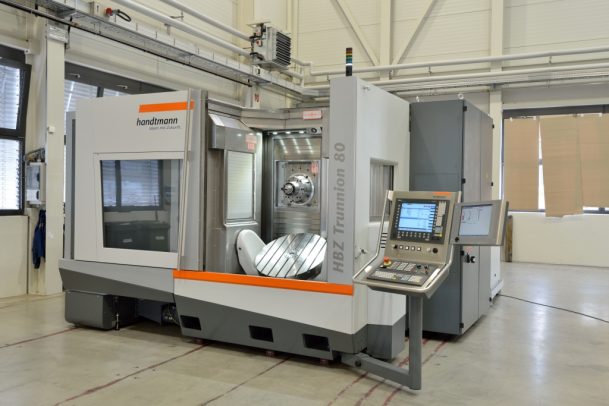
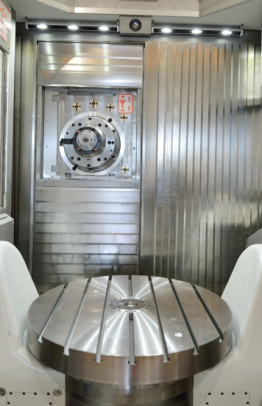
worden weggefreesd, en dat vergt een grotere productiviteit van de machine. Ook hier worden hoge eisen gesteld aan de stijfheid van het machineframe, maar dan vooral uit het perspectief van de dynamiek. Als het gaat om volumeverspaning ligt volgens Van Dam een keuze voor een horizontale uitvoering voor de hand, in verband met de betere spanenval. Door de spindel te kantelen, kan een hoge verspaningscapaciteit worden bereikt zonder dat er problemen ontstaan door ophopende spanen. Een voorbeeld van bewerkingscentra die bij uitstek werden ontwikkeld voor volumeverspaning, vormen de machines van Handtmann A-Punkt Automation in het programma van Dymato. De nieuwste machine, de HBZ Trunnion 80, is dankzij het PowerCube frame in staat om ondanks de compacte bouwwijze forse krachten te absorberen. De HBZ Trunnion 80 biedt een grote flexibiliteit wat de keuze van de spindel betreft, waardoor de machine zowel optimaal kan worden afgestemd op de bewerking van aluminium als op de bewerking van staal en titaan. Er kan in elke situatie worden gebruikgemaakt van optimale bewerkingsparameters, zonder dat er naar een compromis gezocht hoeft te worden. Dat is in feite het geheim achter een in alle opzichten beheerst freesproces.


DYMATO PRESENTATION DURING THE VERSPANEN 2020 SEMINAR

CONSIDERATIONS IN CHOOSING A 5-AXIS MACHINE

The coming years will see increasingly stringent requirements for component accuracy and surface quality with a growing demand for higher functionality, which translates into greater complexity and the use of more sophisticated materials that don’t generally lend themselves to machining. So all the more reason to pay careful attention to the machine’s design the next time you invest in a five-axis machining centre, because that literally is the foundation of what is feasible.

The above-mentioned vision was illustrated during the Verspanen 2020 (Machining 2020) seminar, recently organised by Mikrocentrum in Veldhoven, the Netherlands. This scenario will come as no surprise to most entrepreneurs operating in the machining sector. Aside from the requirements mentioned above, we must not lose sight of productivity, which is a significant driver of international competition. 

foto van jan oonk

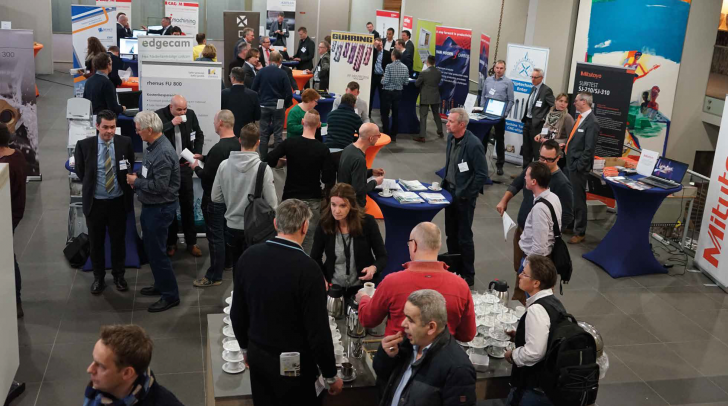
Impression of the Verspanen 2020 seminar. (above) The exhibition. (header) Presentation by Willem van Dam of Dymato.

That makes it ever more important to look at the machine’s build and the qualities associated with it when purchasing a new machining centre. Because regardless of whether it is about accuracy, productivity or reliability, the machine is, in all cases, the primary component and is largely determinative of what is feasible. Another crucial aspect is the capability to control temperature and vibrations – the biggest culprits that undermine the milling process.

The best results are obviously achieved when a machine is built to specifications for a specific product and the applicable requirements. Because volume machining a large aluminium component requires different specifications than milling a titanium component, where accuracy and a perfect finish are required. A machine that can meet all milling requirements is unfortunately an illusion, as Willem van Dam made clear in his presentation at Verspanen 2020. Different markets require different solutions, according to the area sales manager for machine importer Dymato. In its approach to the market, Dymato draws a distinction between universal machining, high-speed milling and large workpiece machining. 

Universal machining centre

As mentioned above, the best quality-returns combination is achieved when a machining centre is programmed to perform a specific machining operation. In practice, however, a supplier can rarely dedicate a machine to a specific task or a set of similar machining operations. Because there is usually a great diversity of products, materials and operations involved, cost considerations tend to favour a universal machine. An all-rounder that delivers the best average results across the board. But even then, it is important to conduct a critical assessment of the capabilities.

(fig. 2) The portal version offers the best capabilities structurally to achieve a symmetrical design, with effective control of forces and temperature effects. The box-in-box principle of the X and Y axes also contributes to this.

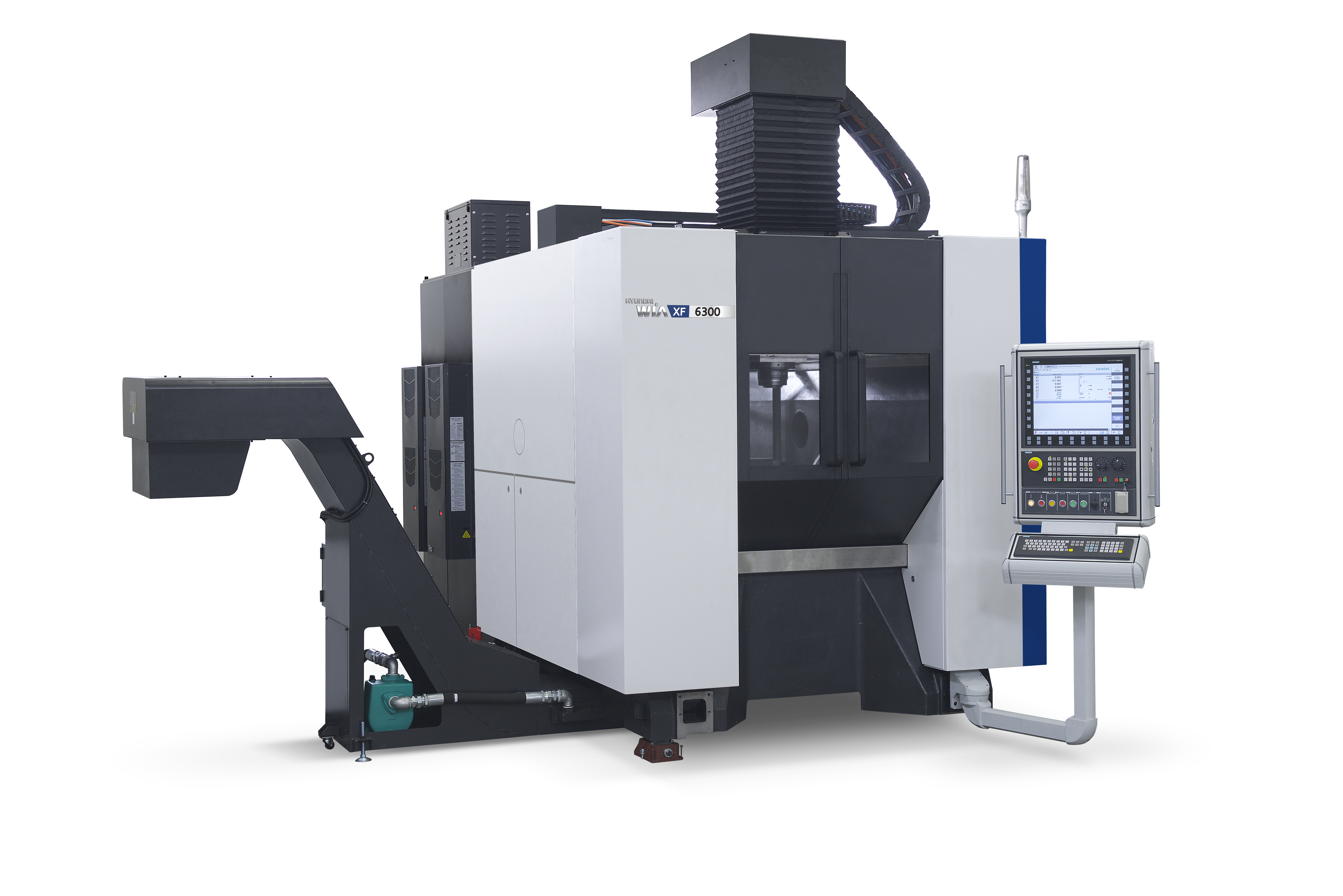
(fig. 4) A positioning accuracy of 5 μm and surface roughness of about Ra = 0.5 μm are feasible on the Hyundai Wia XF6300 machining centre.

Where the width of the machining range is concerned, a portal structure is the most appropriate solution, according to Van Dam (Figure 2). Structurally, the symmetrical design of this machine offers the best capabilities for controlling the forces and temperature effects (thermo-symmetrical design). In a five-axis model, these machines can be equipped with pan/tilt tables. Fitted with direct-drive motors, both the A and C axes can be controlled quickly and with high precision due to the lack of worm gears. A good example of universal machining centres is the series of Hyundai Wia machines in the Dymato program. In the newest five-axis machining centre, the XF6300, the bed and column are made from a single mono-block piece (Figure 3) to ensure maximum stiffness and accuracy. This is additionally reinforced by the fact that the mono-block frame encloses the A axis motors. The X and Y axes are designed to the box-inbox principle, ensuring a mechanical and thermo-symmetrical design with high stiffness in that respect as well.

Direct measuring systems on linear and rotary axes as well as angle encoders ensure that all remaining temperature effects on the machine frame are effectively eliminated. This way, according to Van Dam, a positioning accuracy of 5 μm and surface roughness of about Ra = 0.5 μm are also feasible on a universal machine (Figure 4). The XF6300 is available with three different spindles (15,000 / 24,000 / 40,000 rpm), so as to offer the most customer-specific solution possible (Figure 5).

(fig. 3) The mono-block structure, where the frame is made from a single piece, results in a high degree of stiffness and stability. Especially since the A axis motors are completely enclosed by the frame.

(fig. 5) Because the Hyundai Wia XF6300 is available with three different spindles, it brings a customer-specific model of a universal machine that much closer within reach.

 HSC milling

Afbeelding 9

(fig. 7) Röders’ newest RXP501DS machining centre reaches a maximum speed of 60,000 rpm, making it possible to work with finer tools and lower cutting forces.

When hard materials are to be machined with fine structures and small radii (which are automatically subject to high accuracy requirements), it is impossible for machining operators to avoid HSC (High Speed Cutting) machines. A special example of this is the series of Röders machines in the Dymato program. Because of the (thermo-)symmetrical properties, Röders uses a portal structure, where the spindle carries out the transverse and vertical movement (Y and Z axes), and the bed with an integrated pan/tilt table carries out the longitudinal movement (X axis). As the portal with the spindle does not need to move, according to this concept, it can be constructed more robustly to ensure maximum machine stiffness (Figure 6). To compensate for the weight of the Z axis, frictionless vacuum bellows are used.

All the critical elements in the Röders machines are also actively cooled, particularly the spindle and the drives with their magnets and motors. Both the ball bearings and spindle housing are cooled; in the latter case this is done to prevent heat radiation to the column. The machines come with a total of eight separate cooling circuits. The spindle length is additionally monitored by an external (and cooled) eddycurrent sensor to prevent deformations caused by mechanical forces. This is especially relevant at high speeds. 

Afbeelding5

(fig. 6) Because the portal with the spindle in Röders’ machining centres does not need to move, it can be constructed more robustly to ensure maximum stiffness.

To prevent vibrations, only uses linear drives are used. Because they do not come with mechanical contacts, linear drives provide much higher dynamics and better damping than traditional ball screws. The absence of mechanical contacts means less heat development and zero wear and tear. The hydrostatic guideways are even more efficient in terms of accuracy. Röders uses these in its RHP series, machines that combine milling with coordinate grinding. This combination not only saves an additional logistical operation but also grinding time: because rechucking is not required, it is possible to mill much closer to the final size.

Race Cut

Röders’ newest RXP501DS machining centre (Figure 7) achieves a maximum speed of 60,000 rpm. Higher speed not only means that finer tools can be used, but also lower cutting forces are produced, ensuring higher accuracy, a smoother surface and limited vibration. The knife cuts both ways!

What sets the Röders machines apart is their capability to combine high accuracy with high dynamics, thanks to the Race Cut control function, which allows the user to utilise the machines’ capabilities to the fullest extent possible. This is only possible because the machine manufacturer develops its own RMS 6 control software, as the software developers must of course know what gears the machine structure allows without compromising accuracy and surface quality. Thanks to Race Cut, the pull can be set at a higher level to allow the machines to brake later and harder and accelerate faster than the conventional CAM programs suggest. This results in processing times that are reduced by more than 20 percent on average.

Large workpieces

A separate market segment is the volume machining of large workpieces, including components for the aerospace industry, where machining from solid carbide alloy is frequently a requirement. Often, no less than 90 percent of the material must be milled, which requires higher machine productivity. Here, too, high demands are placed on the stiffness of the machine frame, especially from the perspective of dynamics. According to Dymato’s Willem van Dam, a horizontal model is the obvious choice for volume machining due to better chip flow (Figure 8). Tilting the spindle will result in high machining capacity without problems arising from accumulating chips.

Afbeelding4 (2)

(fig. 8a) horizontal model is preferred for machining large volumes due to better chip flow. (a) Schematic of the different axes, including horizontal spindle (Z axis).

Afbeelding4

(fig. 8b) Horizontal model inthe HBZ Trunnion 80.

An example of machining centres that are ideal for volume machining are the Handtmann A-Punkt Automation machines in the Dymato program. Despite its compact design, the newest machine, the HBZ Trunnion 80, is able to absorb significant forces thanks to the ‘Power Cube’ frame. The machine offers great flexibility in the choice of spindle, allowing the machine to be programmed for machining aluminium, steel and titanium (Figure 9). Effective processing parameters are available for every situation without having to look for a compromise. This is, in fact, the secret to a milling process that is controlled in all respects.

Afbeelding10

Thanks to the different spindles that the Handtmann HBZ Trunnion 80 can be equipped with, the machine can be programmed for machining aluminium, steel and titanium.

5-tier pyramid

While the machine may be one of the fundamental pillars in achieving the best possible machining process in terms of accuracy and productivity, it is not the only important factor. When it comes to obtaining the best results possible, it is the interaction of all parameters which makes the machining process more efficient. Mikrocentrum, organiser of the Verspanen 2020 seminar, attributes that interaction to the ‘5-tier pyramid’: machine, tools, chucking, programming and cooling lubricants. When top performance is required, the smallest details will play a role in every aspect of machining. Different iterations of all these came up during the seminar. To further strengthen cooperation and knowledge sharing with the metalworking industry, Mikrocentrum will organise, on 10 and 11 October of this year, a new knowledge and networking event under the title ‘Metaal 2017’ (Metal 2017).